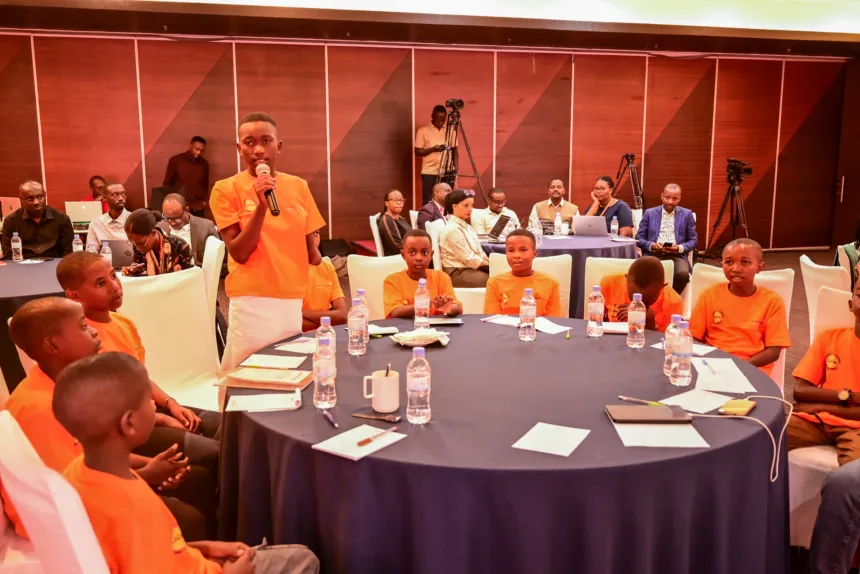
CLADHO, in partnership with World Vision, has released findings from a study examining the state of recreational infrastructure in Rwanda, focusing on children’s right to play.
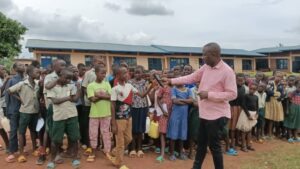
The study assessed facilities in schools, rural areas, and model villages, revealing a serious lack of designated play areas for children.
Key findings include:
- 50% of local leaders reported no existing play programs, while 44% said programs exist but are inactive.
- In 55% of the 129 schools surveyed, there were no playgrounds at all.
- Even in model villages like Karama (Nyarugenge District), children are required to request permission from local authorities to access playfields often waiting months for approval.
- Existing playgrounds are being lost due to agricultural or environmental policies, leaving children with few open spaces for play.
Stakeholders, including government ministries and civil society organizations, were urged to prioritize the development of recreational infrastructure. Leaders emphasized that play is not merely a leisure activity, but a fundamental right, essential to children’s development, socialization, and emotional well-being.
According to the Ministry of Education, expanding recreational spaces remains a challenge. In areas where land is available, priority is often given to constructing classrooms to reduce overcrowding, limiting opportunities to develop playgrounds.
John Rich Kireri, Finance Director at World Vision, called on all stakeholders to intentionally include recreational spaces in urban and community planning, stressing that play is vital to a child’s holistic development.
CLADHO’s Executive Secretary, Safari Emmanuel, emphasized the importance of addressing this issue at the policy level to ensure that the right to play becomes an integral part of national development strategies.
He said:“We see schools being constructed across all provinces, but when you look closely, children are being denied their right to recreation. We urge that this issue be taken seriously, that previous oversights be corrected, and that proper recreational infrastructure be established not only in schools but also at the village, sector, and cell levels.”